Visual Mechanical Inspection
The visual inspection is always the most important step of all. It is crucial that you perform it correctly otherwise, you could miss detecting a serious issue. Remember, a tester can pass an appliance with a broken casing or burning present so its very important you perform this first. Here is a recap of how to perform a visual inspection.
START at the plug end – try to see if there are any faults that are visible on the equipment eg:
- Broken cases – EXTREMELY IMPORTANT ON CLASS II EQUIPMENT
- Things loose (screws missing)
- Coloured conductors or copper visible
- Cables crushed during operation of beds
- Covers missing
- Burnt pieces
- Burnt smell
- Supply lead excessively kinked/cracked etc
- Brush holders/caps broken
- Guards not there or not working
- Cable not secured at plug top or appliance entry
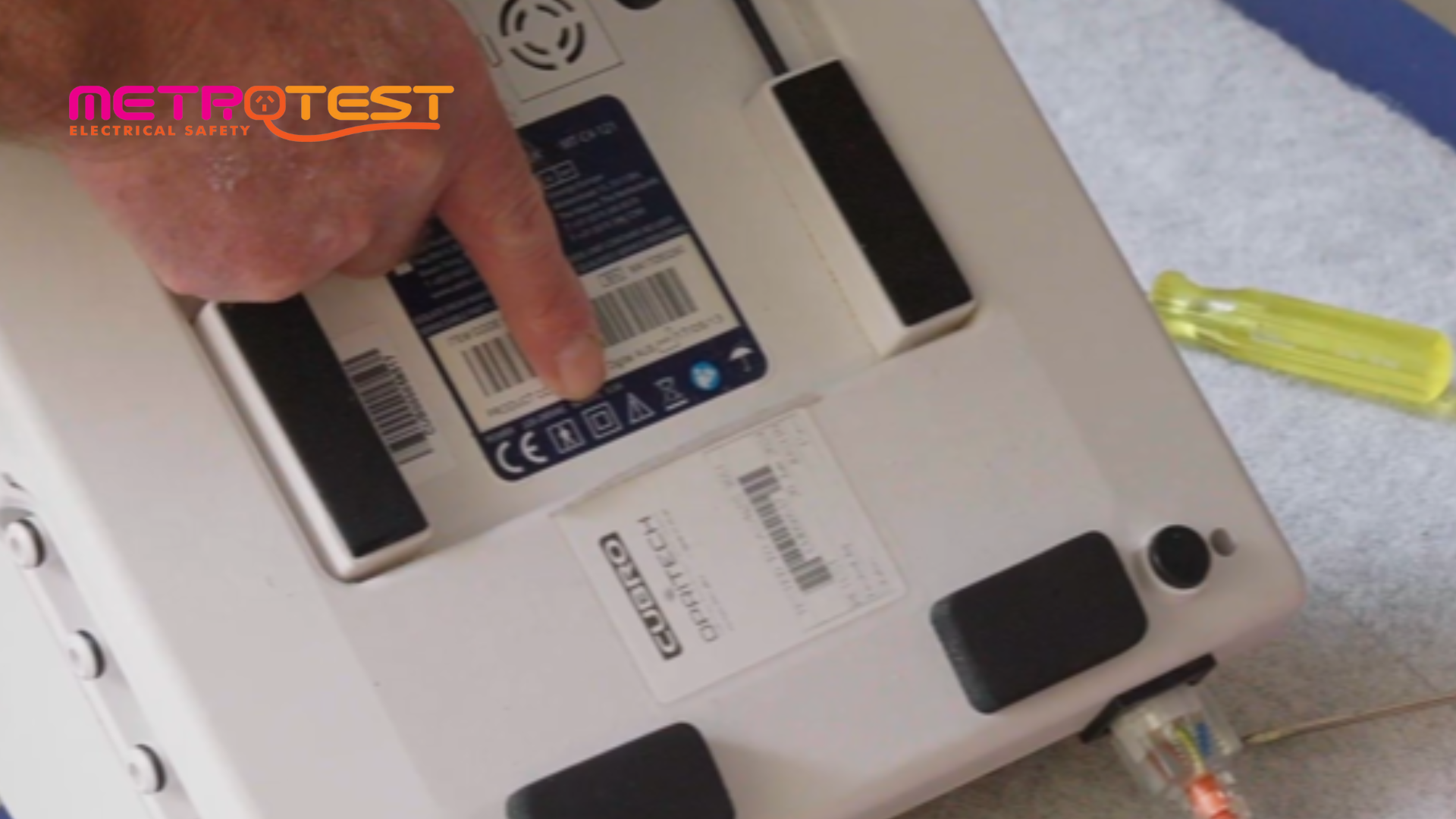
- Safety Related markings and Labelling is legible and complete (3551)
- Fuses, if accessible from outside the equipment, comply with current rating by the manufacturer and comply with the specifications (e.g. characteristics) (3551)
- Relevant accessories are intact and undamaged (cords, patients leads, tubing, etc)
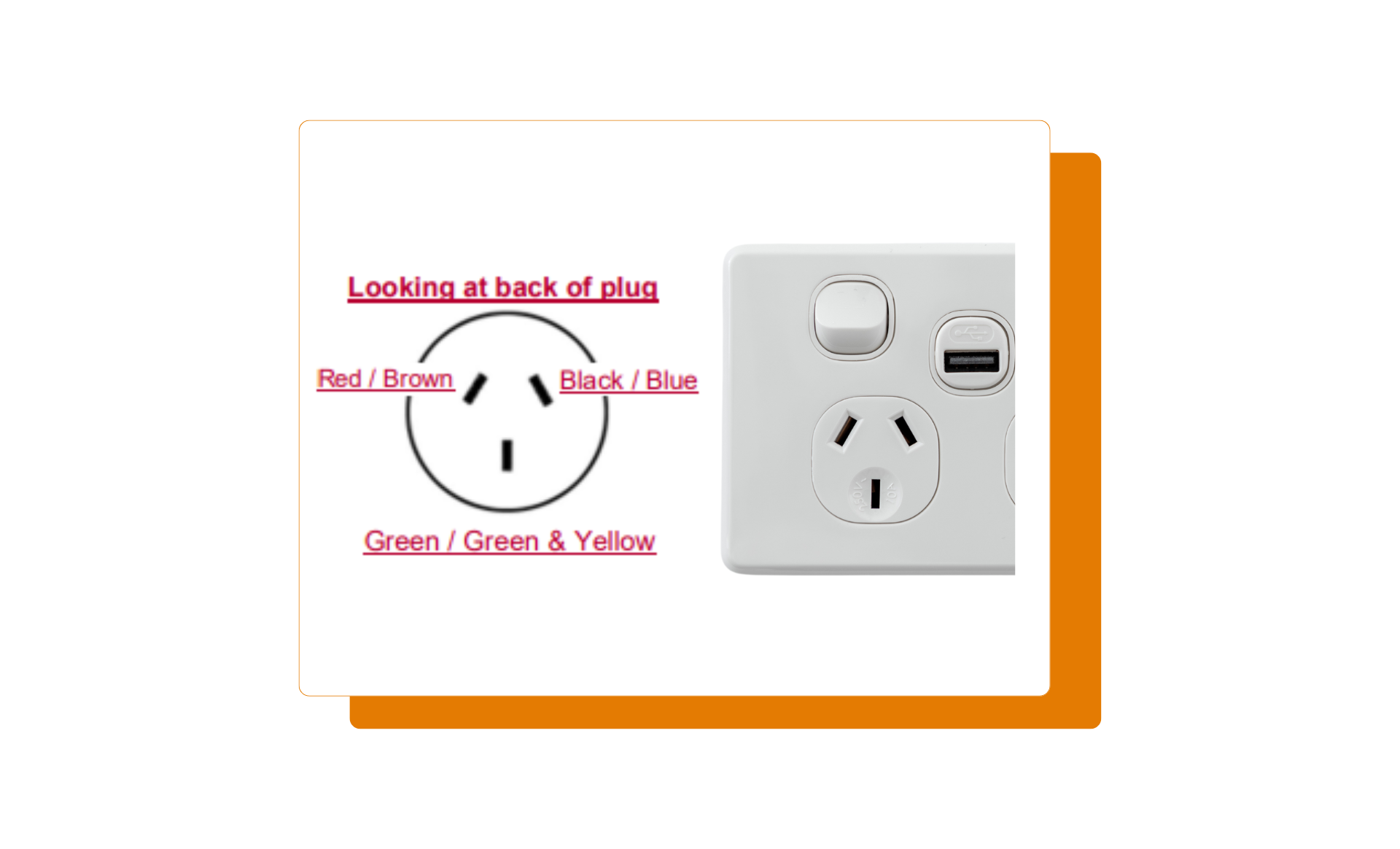
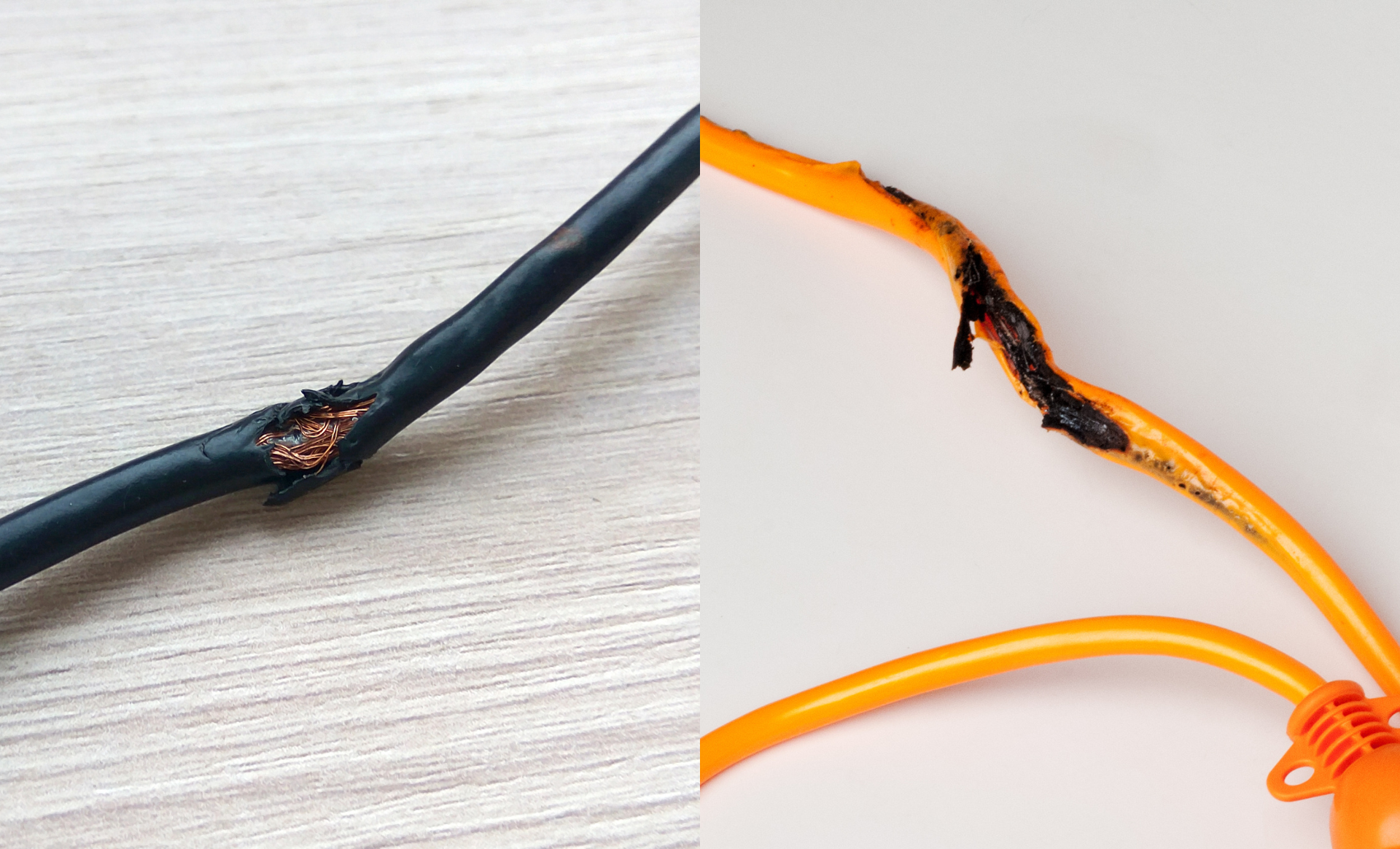
DO NOT PROCEED TO TEST
LASTLY, decide whether the equipment is Class I or Class II.
Before Commencing with any tests it is also important to note to also check your PAT tester for any signs of visual damage.
NOTE: Remember that the equipment must have passed the VISUAL INSPECTION before commencing testing.
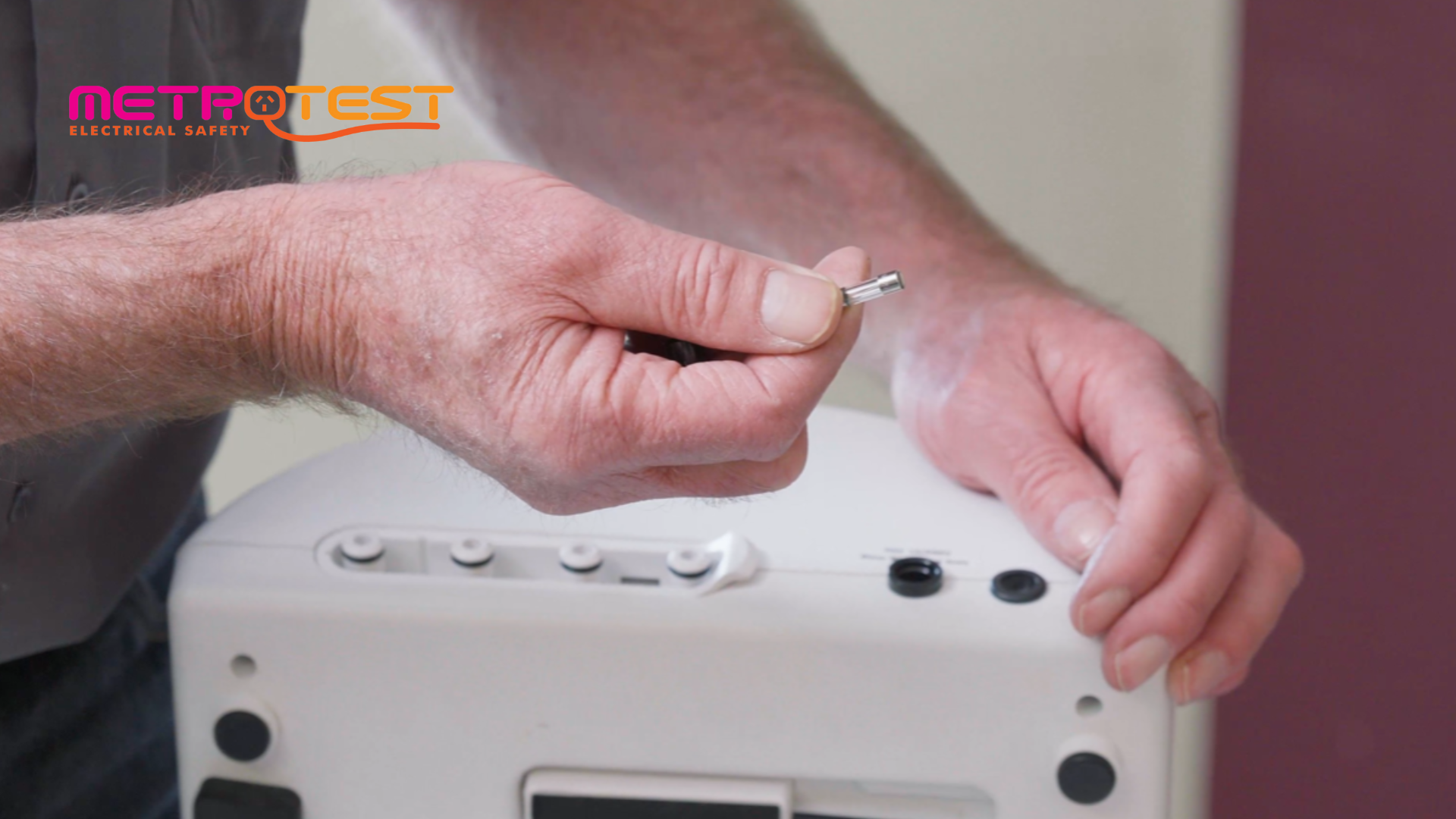
During your visual mechanical inspection you if the fuse is easily accessible and removable, you will need to check it. Make sure that the fuses rating/information matches what it says on the appliance itself. Often the fuse information will be next to the fuse itself. For example, if it states that it should be a fast fuse, it needs to be a fast fuse.